
8 Signs of Garage Door Problems You Should Never Ignore

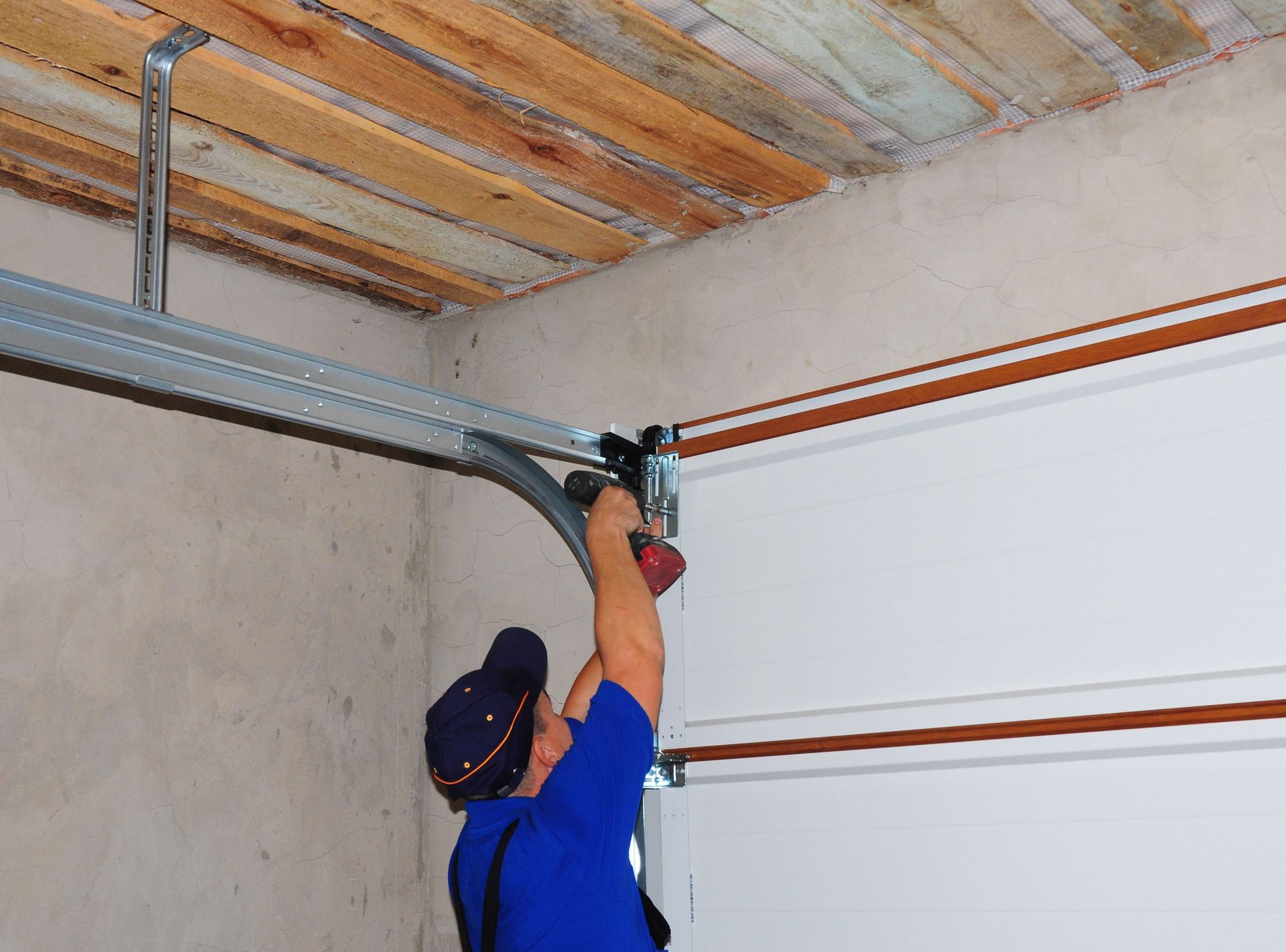
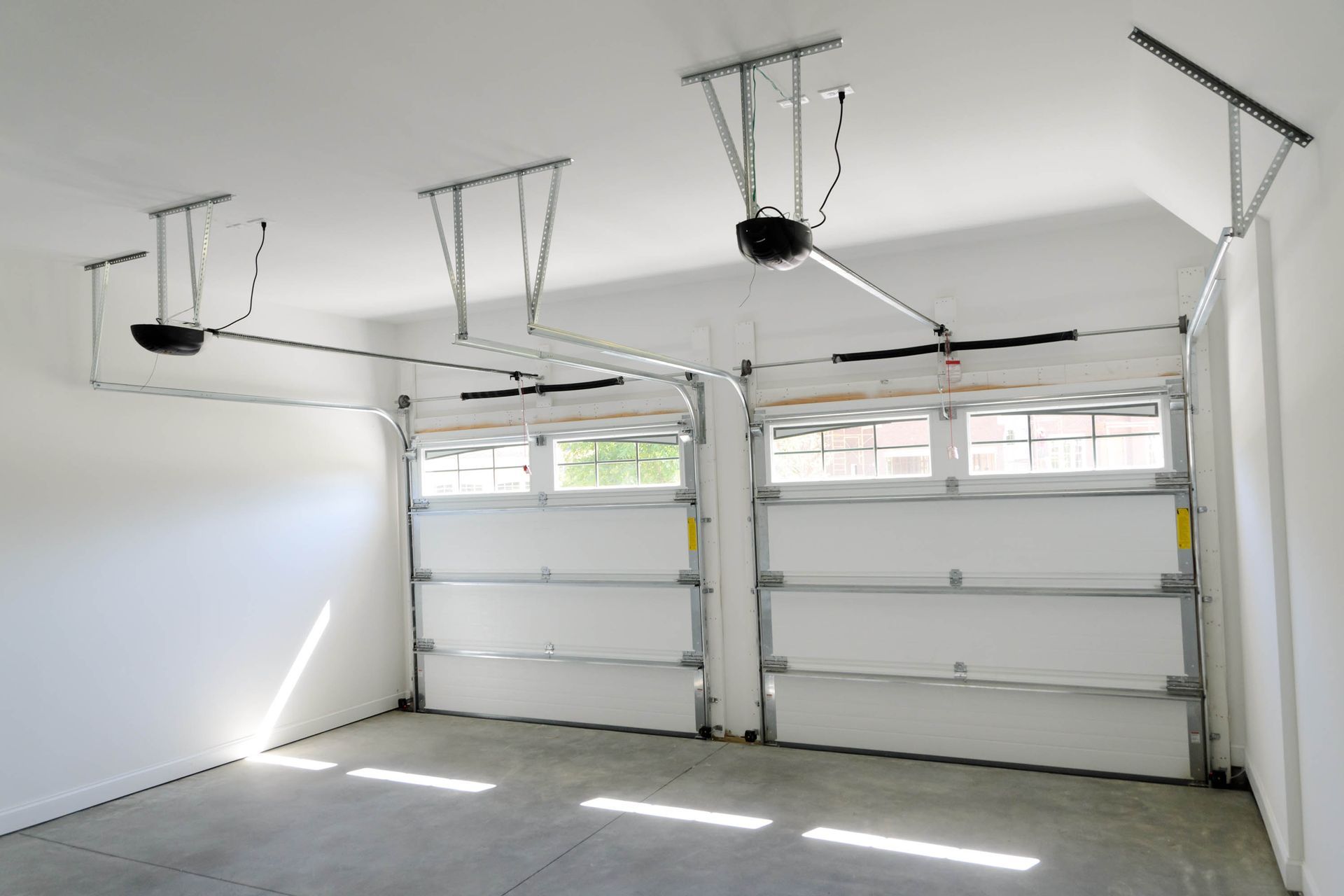
Residential garage door repairs become essential when homeowners begin noticing unusual changes in the performance and safety of their overhead entry systems. Garage doors operate through a complex combination of springs, cables, rollers, motors, and electronic components that experience wear over time. Ignoring small warning signs often leads to larger mechanical failures that are more expensive and dangerous to fix. Many homeowners overlook early symptoms because the system may still function temporarily despite internal damage. However, recognizing these indicators early can help prevent unexpected breakdowns, property damage, and potential safety risks. Understanding the most common warning signs allows property owners to take proactive steps before a complete system failure occurs.
1. Observing Unusually Loud Operational Noises
Identifying unusual sounds coming from your overhead entry system is one of the easiest ways to detect mechanical stress early. While no motorized entry system is completely silent, sudden grinding, squeaking, or rattling noises indicate that internal components are wearing down rapidly. Grinding sounds often point to failing rollers or unlubricated tracks that force the electric motor to overwork itself during standard movement. Ignoring these audio warning signs can cause minor hardware friction to escalate into massive structural failures that trap your vehicles inside. Homeowners who request residential garage door repairs at the first sign of a squeak can easily prevent more widespread damage. Regular lubrication can quiet minor issues, but persistent mechanical scraping requires a professional inspection to ensure parts are aligned correctly. Addressing these troubling sounds early safeguards your home from the sudden inconvenience of a completely frozen entryway system.
2. Noting Sluggish or Jerky Movements
A healthy overhead door system should always glide up and down with a smooth, consistent rhythm and minimal stuttering. If you notice your system hesitating, shaking violently, or moving significantly slower than usual, it is battling excessive mechanical resistance. This sluggish behavior often means the electronic opener is straining against a severe physical imbalance or warped tracking hardware. Continuing to operate a struggling system places immense structural pressure on the drive belt, gears, and vital lifting cables. Scheduling timely residential garage door repairs ensures a technician can diagnose whether the issue stems from a motor defect or a bent frame. Attempting to force a jerky door to operate can snap critical safety components and cause the heavy panels to drop unexpectedly. Keeping a close eye on the physical transit speed of your system prevents minor mechanical drag from burning out your opener motor.
3. Tracking Structural Balance Issues
An imbalanced overhead entryway is a severe safety hazard that places unequal physical weight on different sides of the lifting apparatus. You can easily test the basic balance of your system by disconnecting the automatic opener and lifting the panels halfway manually. A perfectly balanced system should remain suspended in place, whereas an unbalanced one will rapidly slam down or pull upward aggressively. This dangerous structural imbalance typically occurs when one side of the cable system stretches out, or a spring loses its structural tension. Contacting a specialized technician for residential garage door repairs is critical because adjusting heavy tension systems requires specific training and professional tools. Operating an asymmetrical door causes uneven wear on the tracks, tracking rollers, and structural hinges over a very short period. Restoring proper equilibrium extends the operational lifespan of your hardware and guarantees a much safer home environment for your family.
4. Monitoring Component Lifespan Limits
Understanding the hidden mechanical thresholds of your lifting hardware allows you to anticipate structural breakdowns before they occur. The hard-working springs that bear the massive physical weight of the panels possess a strict, pre-engineered operational lifespan before failing. According to This Old House, standard extension springs can reliably last from 10,000 to 20,000 opening cycles, while heavy-duty torsion variants generally endure between 15,000 and 20,000 cycles before fracturing. Once your home reaches these high usage milestones, the metallic steel becomes brittle and vulnerable to snapping without warning. Property owners who proactively organize residential garage door repairs before these parts break avoid dangerous, high-velocity spring failures inside their garages. A broken spring makes lifting the heavy panels manually almost impossible and completely disables the automatic electric opener. Keeping track of your historical usage cycles helps you replace aging hardware safely during routine preventative maintenance appointments.
5. Inspecting Frayed or Loose Cables
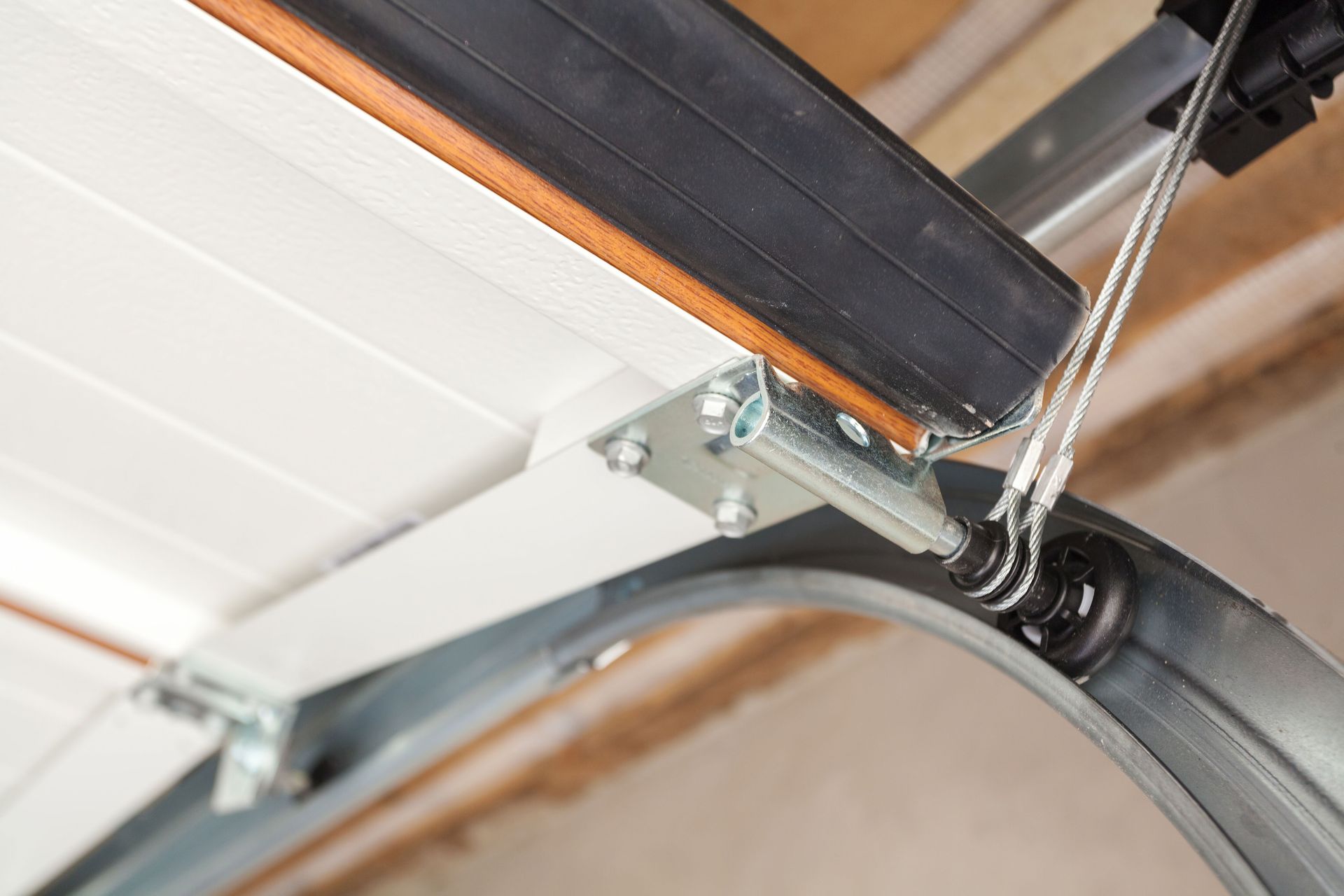
Lifting cables work in tandem with your spring configuration to safely transfer mechanical energy and elevate the heavy panels. Over years of constant operation, these steel braided cables can develop severe fraying, rust spots, or loose loops near the bottom brackets. A frayed cable is a ticking time bomb that can snap at any moment under the immense tension of a lifting cycle. If a cable snaps while the system is in motion, the heavy structure can crash down violently, destroying property or causing catastrophic injury. Seeking professional residential garage door repairs at the first sign of cable wear is the only safe method to handle these highly pressurized parts. Homeowners should never attempt to tighten or replace these dangerous metallic cables independently without specialized industrial equipment. Ensuring your lifting cables remain taut and free from rust guarantees the structural integrity of your entire garage opening.
6. Identifying Sagging or Warped Panels
The physical appearance of your sectional panel layout can provide immediate clues regarding the overall structural health of your entry system. Wood panels can warp from moisture exposure, while modern steel variants can sag or bend if the center support struts lose their rigidity. A sagging midsection prevents the individual segments from sealing tightly against the ground, leaving your garage vulnerable to pests, dust, and rain. Furthermore, a distorted panel configuration alters the physical path of the rollers, causing them to bind or pop out of the metal tracks entirely. Professional residential garage door repairs can reinforce these sagging sections with heavy-duty steel struts or replace damaged panels to restore original structural strength. Neglecting a warped panel forces the entire mechanical apparatus to operate at a highly stressful, unnatural angle. Keeping your panels straight and perfectly aligned preserves your home's curb appeal and protects your internal mechanical system.
7. Recognizing Sensor Alignment Failures
Modern automatic entry systems utilize electronic safety photo-eyes near the ground to detect physical obstructions and prevent crushing accidents. If your door begins to close but suddenly reverses back to the open position for no apparent reason, the sensors are likely misaligned. These safety devices can easily be bumped out of position by lawnmowers, trash cans, or active pets playing near the garage opening. While cleaning the lenses can sometimes fix the issue, persistent sensor failures often point to deeper wiring damage or internal circuit defects. Professional residential garage door repairs can rewire these delicate safety components and calibrate the electronic reverse mechanisms to ensure absolute safety. Operating a system with broken safety sensors exposes young children, family pets, and vehicles to severe crushing hazards. Ensuring these electronic eyes are perfectly aligned guarantees that your home's automated entry remains responsive, functional, and safe.
8. Detecting Unreliable Opener Response
When your entry system responds inconsistently to wall buttons, wireless remotes, or smartphone applications, the internal electronic components are failing. This erratic behavior can stem from dying batteries, a burnt-out circuit board, or external radio frequency interference in your neighborhood. If replacing the batteries fails to solve the issue, the internal gears inside the motorized head may be stripped or slipping. Ignoring a failing opener can leave your home completely unsecured or lock you out of your property during inclement weather conditions. Arranging professional residential garage door repairs allows a technician to safely test the electrical currents and mechanical gear assemblies within the motor housing. A reliable opener ensures that your home remains highly accessible to authorized family members while keeping intruders firmly locked outside. Maintaining a responsive, healthy motor drive system provides maximum daily convenience and long-term peace of mind.
If you notice any of these alarming warning signs, do not wait for your entry system to fail and compromise your family’s safety or home security. Contact A & R Door Service Inc today to secure dependable, prompt, and high-quality mechanical solutions that will keep your system operating flawlessly for years to come.
Share On: